
Wexford
Case studies
Sector
Flexibility, Firming and Grid Support
Region
UK/Ireland
UN SDGs


Synchronous condensers enabling grid stability and system flexibility in the UK & Ireland
Challenge
As the UK and Ireland increase their use of renewable energy, maintaining a stable and reliable electricity system is becoming more complex. Unlike traditional power stations, many renewable energy sources do not naturally provide the grid support needed to keep electricity flowing smoothly during disruptions.
Recent large-scale power outages, including the blackout that affected parts of Spain and Portugal in 2025, highlighted the importance of investing in infrastructure that helps keep power systems stable. As both countries work towards ambitious decarbonisation goals, strengthening grid resilience is essential to enabling more renewable energy while maintaining security of supply.
2,963MVA
Through its growing cross-border portfolio, Quinbrook is positioning grid stability infrastructure as a foundational pillar of a reliable, low-carbon power system.
Context
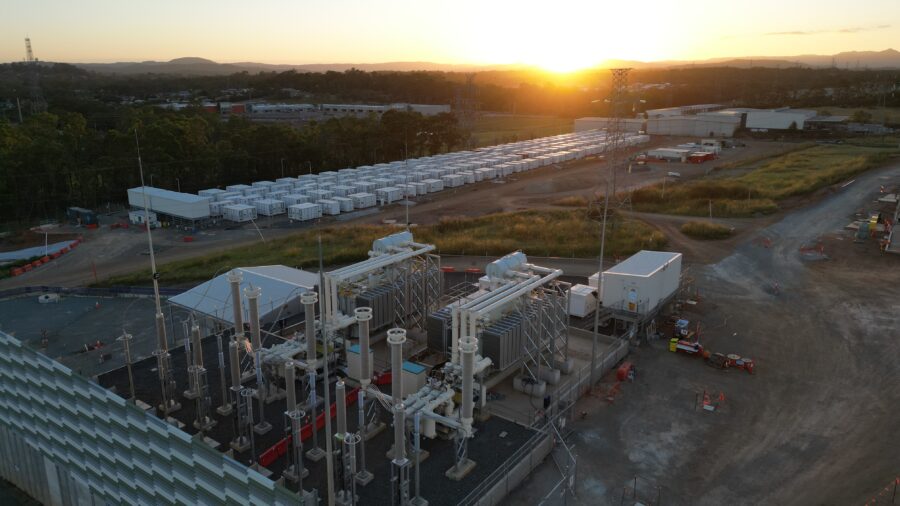
Quinbrook invests in synchronous condenser infrastructure as a core component of grid resilience. Combined with BESS, synchronous condensers provide essential system services:
-
BESS delivers rapid frequency response and fast-acting balancing services.
-
Synchronous condensers supply physical inertia and short-circuit strength, reinforcing system stability.
Together, these assets form a complementary solution that enables stable operation of a renewables-dominated power system.
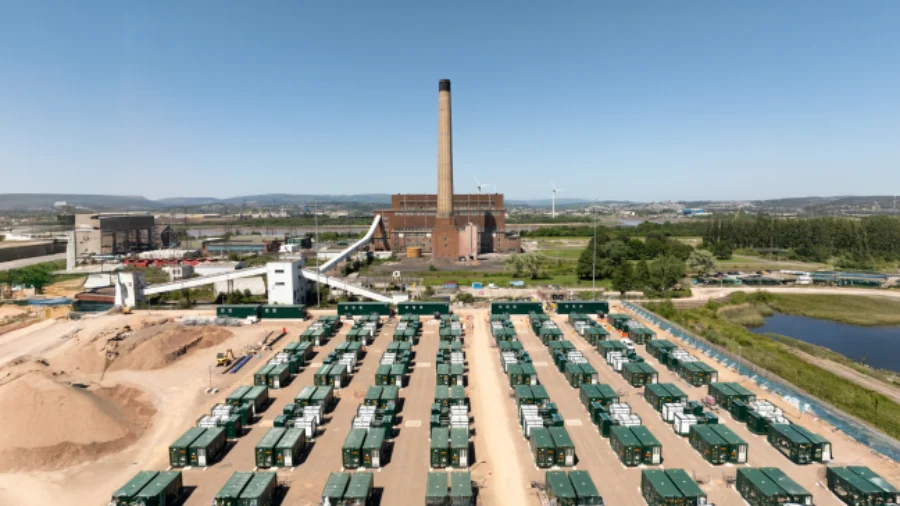
In the UK, Quinbrook has assembled the largest private portfolio of National Energy System Operator (NESO) Stability Pathfinder contracted synchronous condensers. Through the acquisition of five projects, Quinbrook has committed over £430 million across its UK portfolio, with three projects already operational and four under construction. These assets deliver long-term, CPI-linked contracted revenues while providing critical grid stability services.
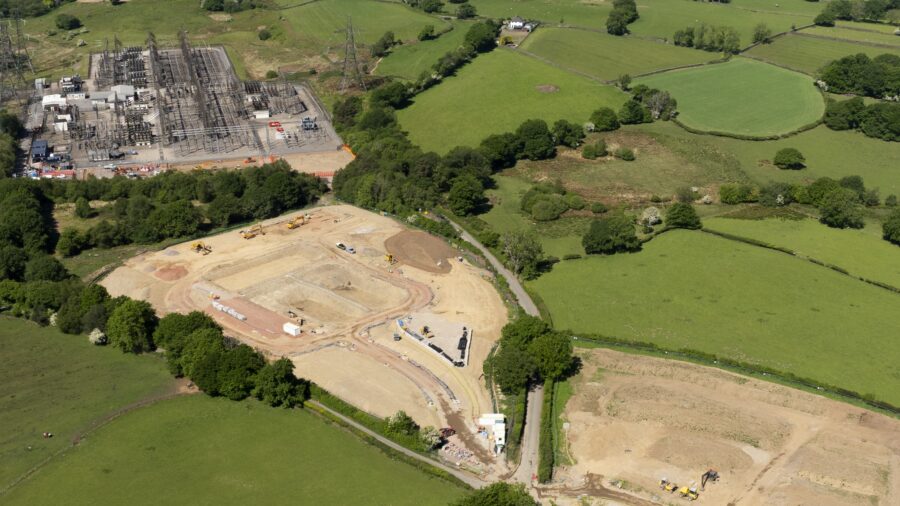
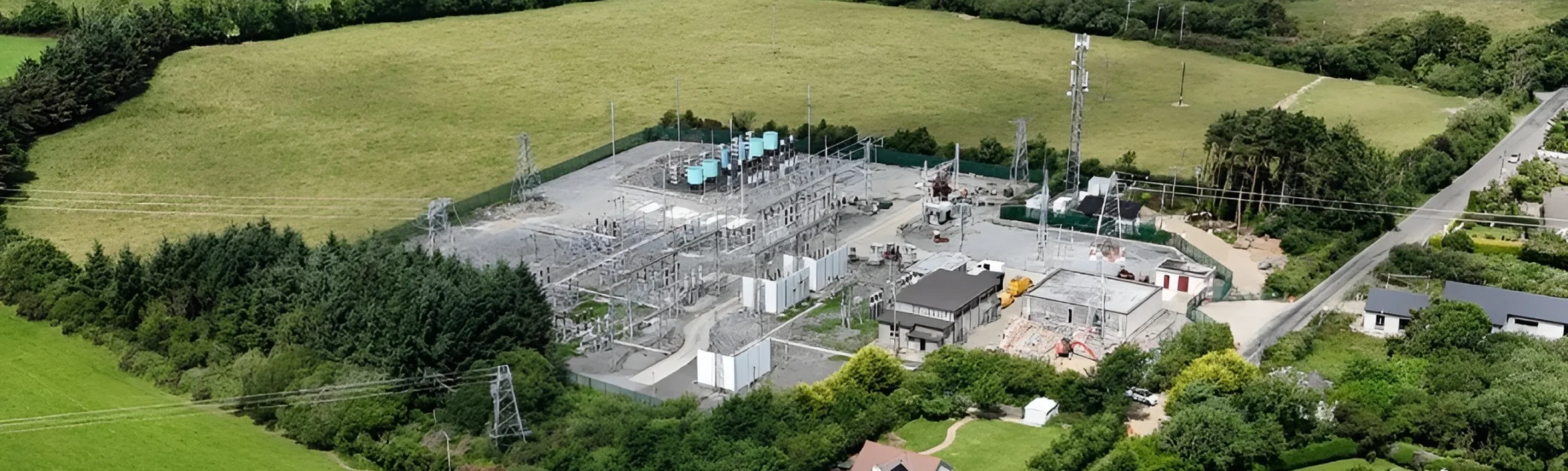
Quinbrook announced in July 2025 its first investment in the Republic of Ireland: Wexford Synchronous Condenser Project, a proposed 2,963 MVA.s facility located in County Wexford. Expected to commence operations in 2027, Wexford extends Quinbrook’s proven grid stability model into the Irish market, supporting Ireland’s transition to a more resilient and decarbonised power system.
Solution
Operational impact and climate enablement
Synchronous condensers respond immediately to frequency deviations by injecting inertia into the system, supporting rapid stabilisation, reducing the risk of prolonged disruption By providing essential system strength services independent of fuel supply, these assets reduce reliance on unabated fossil fuel generation during stress events, enhancing security of supply while enabling continued renewable integration.
Policy and market alignment
The UK’s Clean Power 2030 plan recognises system strength infrastructure as critical to achieving a secure, low-carbon power system. Ireland’s energy transition strategy similarly identifies system stability as a key enabler of renewable deployment. The Wexford project directly supports this objective by strengthening grid resilience as renewable penetration increases.
Climate impact
By investing in system strength infrastructure across the UK and Ireland, Quinbrook supports large-scale emissions reduction by allowing renewables to displace fossil fuel generation while maintaining secure system operation.